Couples counseling
Couples counseling is a form of therapy that helps partners understand their relationship patterns, improve communication, and work through challenges together. It is commonly used for conflict, trust issues, emotional distance, life transitions, parenting stress, and recurring communication problems.
What is couples counseling?
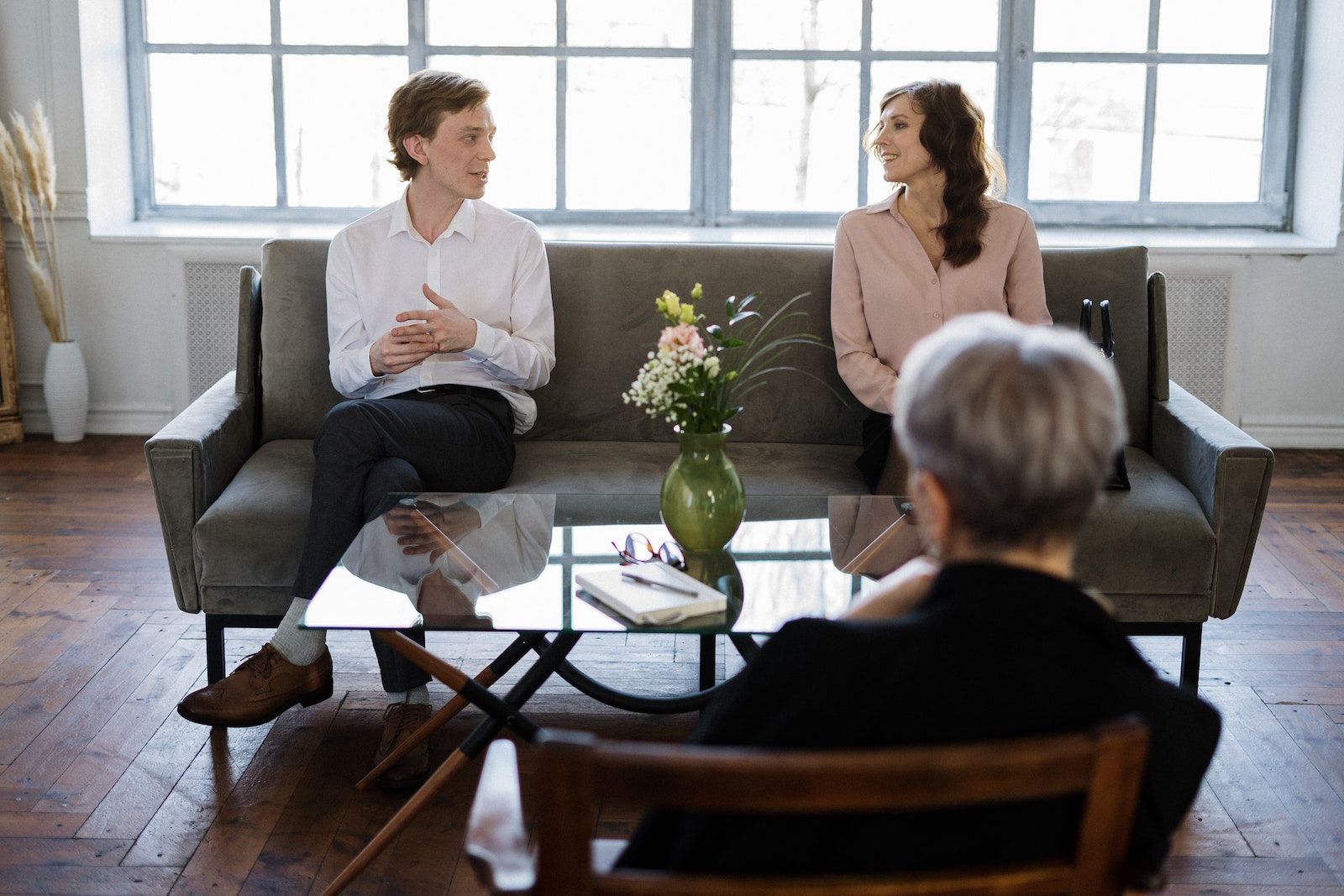
Couples counseling is a structured space where two partners meet with a therapist to work on their relationship. The core idea is that many relationship problems are shaped by patterns between people, not just by one partner’s actions or personality.
This approach grew out of family and relationship therapy models that focus on communication, attachment, and conflict cycles. Rather than only looking at individual stress, couples therapy pays attention to how each partner affects the dynamic and how the relationship can become healthier over time.
Compared with individual therapy, couples therapy keeps the relationship itself at the center of the work. Sessions often focus on shared goals, common triggers, and practical ways to change how partners respond to each other.
What issues couples counseling helps with
Couples therapy can help with concerns such as:
- Relationship issues
- Family issues
- Communication breakdowns
- Trust and repair after hurt
- Lack/fear of intimacy, both sexual and emotional
- Conflict around parenting, intimacy, money, or life decisions
Signs you might need couples therapy
Couples counseling may be worth considering when the same issues keep coming up and the two of you or even just one of you feel stuck in how you talk, react, or reconnect. If you have tried to implement change but nothing is changing, it’s time to see an expert..
Common signs include:
- Arguments that feel repetitive or never fully get resolved
- Feeling unheard, criticized, or misunderstood
- Emotional distance or loss of closeness
- Avoiding difficult conversations because they escalate quickly
- Trouble rebuilding trust after a betrayal or disappointment
- Ongoing tension around money, parenting, intimacy, or responsibilities
- Feeling more like roommates, opponents, or strangers than partners
- Difficulty navigating a major transition together, such as a move, new baby, illness
- One or both partners feeling unsure about the future of the relationship
When to consider getting help
It may be time to seek support when:
- Conflict is becoming more frequent or more emotionally intense
- Communication breaks down before either person feels understood
- Trust feels damaged and hard to repair without structure
- Stress in the relationship is affecting sleep, mood, work, parenting, or daily life
- You want support before problems grow more entrenched
Common life changes that can bring couples to therapy
Many couples seek support during periods of change—not just when something feels “wrong.” Even positive transitions can create stress, misalignment, or new expectations.
Common triggers include:
- Becoming parents — shifting roles, less sleep, changes in intimacy
- Moving in together — navigating routines, space, and shared responsibilities
- Engagement or wedding planning — stress, family dynamics, future expectations
- Career or financial changes — time demands, income shifts, differing priorities
- Relocation — loss of support systems, adjusting to a new environment
- Health challenges — caregiving roles or changes in independence
- Blending families — parenting styles, boundaries, co-parenting dynamics
- Loss or grief — different coping styles, emotional distance
- Empty nest or retirement — redefining roles and connection
What happens in a typical couples therapy session
A typical session often follows a clear, practical flow:
- Check-in: The therapist may start by asking how things have felt since the last session, what went well, and what feels hard right now.
- Identify patterns and goals: You and your partner look at communication patterns, conflict cycles, emotional triggers, and the goals you want to work toward together.
- Practice a method or exercise: The therapist may guide you through a structured conversation, a communication tool, or an exercise that helps slow down conflict and increase understanding.
- Reflect together: Sessions often include noticing what each partner felt, what got in the way, and what helped the conversation go differently.
- Plan next steps: Before the session ends, you may leave with one or two concrete things to practice, such as a new way to talk through conflict, set boundaries, or reconnect during the week.
How long couples counseling usually takes
Couples counseling is often weekly, especially at the beginning when the relationship feels strained or communication is breaking down regularly. It can be short-term for a specific issue or longer-term when the concerns are more layered or long-standing.
The overall length depends on your goals, the level of distress, and how much is happening outside the sessions. Some couples come for a few months to work on one challenge, while others continue longer to rebuild trust, change deeper patterns, or navigate major decisions.
What to look for in a therapist for couples therapy
- Training in couples-specific approaches. Look for experience in methods like [Gottman Method Therapy] or [Emotionally Focused Therapy (EFT)]. Couples work requires different skills than individual therapy
- Ability to stay balanced and neutral. The therapist should not take sides — both partners should feel heard and respected
- Focus on communication and conflict patterns. A strong therapist helps you understand how you interact, not just what you argue about
- Structured guidance. Sessions often include tools, exercises, or frameworks to practice between sessions
- Comfort working with your specific concerns. For example: trust repair, recurring conflict, life transitions, or intimacy concerns
Related blog articles
Why happy couples go to therapy: 8 surprising benefits of seeing a couples counselor
Guide to LGBTQ couples counseling: what to know and expect
How to prepare for couples counseling: 7 ways to get ready for your first session
Couples counseling: 6 steps to finding the best couples counselor near you
6 couples counselors' tips on healthy fighting in relationships
Zencare insights
More and more people are looking for a therapist who specializes in couples therapy. From 2024 to 2024, Zencare saw a 50% increase in searches for couples counseling. (You're not alone — the state of mental health report 2025)
Related therapies
Comparable or related approaches may include:
- Emotionally Focused Therapy (EFT)
- Gottman Method therapy
- Family therapy
- Imago relationship therapy
- Cognitive Behavioral Therapy (CBT)
FAQ about couples counseling
Is couples counseling the same as couples therapy?
These terms are often used interchangeably. Both usually refer to working with a licensed therapist to improve relationship patterns, communication, and connection.
Do both partners need to attend?
Usually, yes. Couples counseling is designed for both partners to participate, since the work focuses on the relationship dynamic. In some cases, a therapist may occasionally meet with one partner individually as part of the process.
Can couples counseling help with communication and conflict?
Yes. One of the main goals is to help partners understand their conflict cycle, communicate more clearly, and respond to each other in more productive ways.
Can couples therapy help if trust has been damaged?
It can. Therapy may help partners talk more openly about hurt, understand what is needed for repair, and decide what rebuilding trust would realistically involve.
Can couples counseling be done online?
Yes. Online couples counseling can work well for many partners and may make scheduling easier, especially for busy couples or those living in different places temporarily.
What happens in the first couples therapy session?
The first session usually focuses on understanding the relationship history, current challenges, and what each partner hopes will improve. The therapist may also explain how sessions will work and help set initial goals.
How do we know if couples therapy is working?
Many couples notice small changes first, such as less reactive arguments, better listening, or feeling more understood. Especially as they both put in the effort to use tools and coping skills worked on in therapy sessions. Over time, progress may look like improved communication, more repair after conflict, and greater clarity about the relationship.
Find vetted therapists who practice Couples counseling
- Alabama
- Alaska
- Arizona
- Arkansas
- California
- Colorado
- Connecticut
- Delaware
- Florida
- Georgia
- Guam
- Hawaii
- Idaho
- Illinois
- Indiana
- Iowa
- Kansas
- Kentucky
- Louisiana
- Maine
- Maryland
- Massachusetts
- Michigan
- Minnesota
- Mississippi
- Missouri
- Montana
- Nebraska
- Nevada
- New Hampshire
- New Jersey
- New Mexico
- New York
- North Carolina
- North Dakota
- Northern Mariana Islands
- Ohio
- Oklahoma
- Oregon
- Pennsylvania
- Puerto Rico
- Rhode Island
- South Carolina
- South Dakota
- Tennessee
- Texas
- Utah
- Vermont
- Virginia
- Washington
- Washington DC
- West Virginia
- Wisconsin
- Wyoming